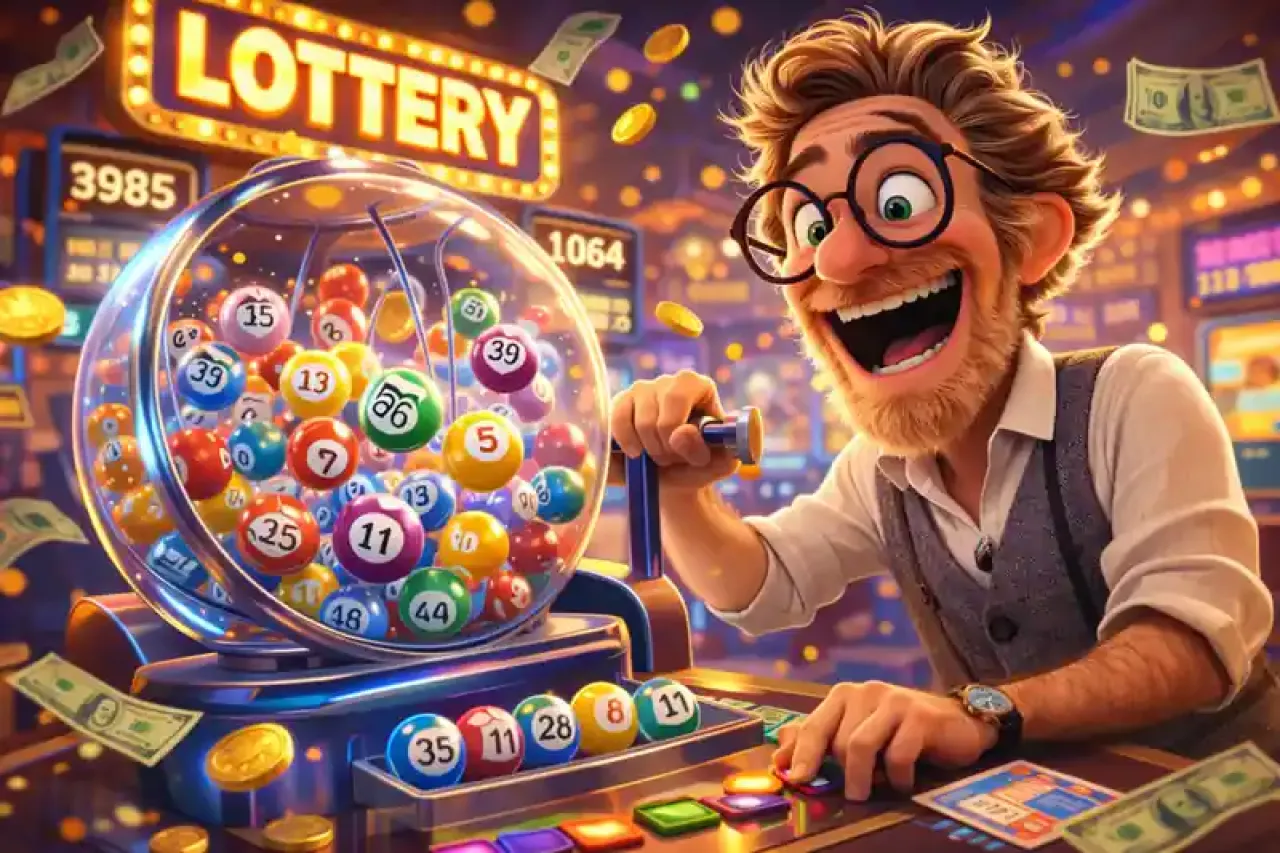
Lottery Bingo represents a class of number-based random draw systems in which participants observe or match values generated through measurable chance. After reading this overview, readers will understand how such formats use structured randomness—whether through physical ball draws or algorithmic number generators—to produce outcomes within a defined numeric range, often 1–99. Common Bingo structures operate with 75 or 90 total entries, arranged onto cards containing 24–25 grid spaces that determine how combinations are tracked during a session. The theoretical goal of 100% randomness refers to ensuring that each number has equal likelihood of selection, governed by probability principles rather than pattern prediction. This framework highlights how digital and traditional Lottery Bingo systems maintain fairness through verified randomization, while also emphasizing the inherent uncertainty that defines all chance-based entertainment. The explanation focuses on conceptual design, probability logic, and the procedural elements that create transparent, unpredictable draw sequences.
Number-Based Chance Systems
Number-based chance systems are foundational in digital and traditional formats like Lottery and Bingo. These systems rely heavily on random number generation to ensure unpredictable outcomes. The aim is to achieve a state where outcomes are determined by chance rather than skill or prediction.
- Random Draw: In both Lottery and Bingo, a random draw mechanism is crucial. This process involves selecting numbers from a predetermined range without any bias or predictability.
- Probability: Each number in the draw has an equal probability of being selected. For lotteries, this often involves numbers ranging from 1 to 99. In Bingo, numbers are drawn from sets typically consisting of 75 or 90 balls.
- Number Grid: Participants in these systems often engage with a number grid. In Bingo, this grid is on a card where numbers are marked off as they are drawn.
- Algorithmic Selection: In digital versions, algorithms ensure that draws remain fair, aiming for 100% theoretical randomness. This means each number has an equal chance of being selected in every draw.
The processes behind these systems foster an environment of measurable uncertainty, ensuring that the randomness is both fair and consistent. This randomness is key to the integrity and excitement of number-based games. For more insights on the structure of these games, you can explore further here.
Structural Components of Lottery and Bingo
The structural components of Lottery and Bingo define how these games operate and how participants engage with them. Understanding these elements helps clarify the experience and the mechanics behind each draw.
| Component | Description |
|---|---|
| Ticket Matrix | Participants receive a ticket or card with a matrix of numbers. In Bingo, this grid usually consists of 24 to 25 spaces. |
| Draw Pool | A set of numbers from which draws are made. For lotteries, this pool might range from 1 to 99, while Bingo uses a set of 75 or 90 balls. |
| Game Structure | Refers to the rules and format, including the number of rounds and how winners are determined. Games can have single or multiple draw rounds. |
| Selection Range | The range of numbers from which participants can choose when selecting their numbers or marking their Bingo cards. |
These components are essential for the functioning of Lottery and Bingo games. They provide the framework through which randomness is structured and outcomes are determined. This structure ensures that each session is unique and maintains the integrity of the randomness involved.

Randomness and Probability Logic
In Lottery Bingo and similar number-based systems, every selection is based on randomness and probability logic. This means each number in a draw—often ranging from 1 to 99—has the same theoretical chance of being chosen. The goal is to reach a 100% randomness standard, where no number is favored or predictable. This concept of equal probability per number helps maintain fairness and measurable uncertainty throughout the draw process.
- Probability Distribution: A probability distribution describes the mathematical pattern used to assign equal likelihood to each possible outcome. In a fair draw, all 99 numbers share the same statistical weight. This balance ensures that outcomes cannot be predicted or influenced by past results.
- Random Generation: Random generation refers to the process that produces unpredictable results within the set numeric range. Whether physical or digital, the goal is to eliminate patterns or sequences that could reveal future outcomes. For example, if the system draws one number, all remaining numbers still maintain equal probability for the next draw.
- Fair Selection: Fair selection means every entry or number is treated consistently during the draw. The system does not recognize participants or prior history; it simply operates under mathematical rules that preserve equality among all options.
- Unpredictability: True unpredictability is achieved when no pattern, time factor, or external data can change the random outcome. To reach this state, many digital systems rely on algorithmic methods or physical shuffling techniques that avoid repeatable sequences.
- Mathematical Independence: Each draw is considered an independent event, meaning one result does not affect the next. This principle is what keeps the process stable and statistically valid, even after many sessions.
Understanding this logic helps clarify why results in Lottery Bingo appear entirely chance-based. Participants often wonder if certain numbers “come up more often,” but in a properly balanced probability system, every number always has the same theoretical chance. Randomness is not about patterns—it is about maintaining equal opportunity for every possible outcome. For more foundational terms, see basic concepts.
Digital Draw Mechanisms
In digital platforms such as Hawkplay or other Lottery Bingo environments, random draws are often generated and verified using algorithmic systems known as digital random number generators (RNG). These systems are designed to simulate the unpredictability of a physical draw by producing values that cannot be anticipated. Each draw aims to replicate natural randomness while meeting measurable technical standards.
- Algorithmic Random Number Generators: A digital RNG uses coded algorithms to produce random values within a set range. The program includes mechanisms to reset or “reseed” its algorithmic seed before each draw to maintain independence between rounds.
- Verification Process: After the random numbers are generated, the platform’s system performs verification checks. These checks confirm that no duplication or pattern occurred and that the numbers conform to expected probability behavior.
- Algorithmic Check: Multiple verification cycles may occur within a single session, testing for consistency and ensuring that the draw mechanism continues to meet its 100% randomness goal. These cycles help detect irregularities early and maintain fairness over time.
- Independent Audit: Many digital environments apply third-party audits to confirm that their RNG operations remain unbiased. Independent reviewers use statistical models to assess whether random outputs follow a uniform distribution, meaning each possible number remains equally likely.
- Transparency Measures: Technical reports and audit summaries may be shared to demonstrate compliance with fairness standards. These materials do not reveal individual results but show that the system’s probability model functions as intended.
Digital draw mechanisms rely on transparent algorithmic design and continuous oversight to ensure fair selection and unpredictability. By combining automated checks, independent audits, and algorithmic resets, the system preserves randomness across all sessions. This process supports participant confidence without altering the fundamental chance-based nature of Lottery Bingo.
Value, Uncertainty, and Risk Awareness
In number-based digital formats such as Lottery Bingo, value exposure and probability are closely linked to measurable uncertainty. When participants assign value—monetary or symbolic—to an event determined by random draw, the outcome becomes a matter of probability rather than prediction. Each possible result exists within a variable outcome set, and the likelihood of any single result can be described within a 0–100% probability range. This framework allows the event to remain impartial while still producing an uncertain conclusion.
Understanding this uncertainty helps explain why chance systems are studied in terms of probability rather than pattern. A number draw operating over a 1–99 range or a Bingo session using 75 or 90 balls follows a similar concept: every number has an equal theoretical opportunity to appear under properly randomized conditions. The value involvement does not alter the randomness itself but introduces a measurable risk—the exposure of value to an unpredictable result. This measurable risk is a conceptual element, not a forecasted loss or gain, and it defines the boundary between predictable systems and probabilistic ones.
- Uncertainty: The inherent unpredictability of random draws, expressed as a range of possible outcomes.
- Measurable risk: The identifiable exposure of value within a framework of probability, without implying direction or outcome.
- Value exposure: The condition in which a participant’s value is subject to the result of independent random events.
- Probability awareness: Recognition that each draw or number event is independent and unaffected by previous results.
- Variable outcome set sizes: The total number of possible results, which can change depending on the format (for example, 75 or 90 numbers in Bingo).
Responsible Participation Context
Balanced interaction with chance-based systems such as Lottery Bingo relies on informed awareness rather than predictive skill. Each draw or number call occurs within an independent cycle, unaffected by prior outcomes. Understanding that these events are random can help users interpret session behavior more clearly. A session may last for variable durations, depending on the format or pace of play, but the underlying structure—separate draw cycles and consistent randomization—remains constant.
- Session pacing: The rhythm or duration of a participation period, which can vary but does not influence random results.
- Informed awareness: Understanding how randomness shapes outcomes and acknowledging that uncertainty is integral to the system.
- Random understanding: Recognizing that each draw is independent and cannot be influenced by external prediction or timing.
- Balanced approach: Viewing participation as a structured experience designed around probability, not as a pattern-based or skill-based process.
- Independent draw cycles: Each draw represents a discrete event, ensuring that one result does not affect the next.
By seeing random draws as independent and value exposure as a measurable but uncertain factor, participants can interpret the process with clarity rather than expectation. This understanding supports a more analytical view of chance, aligning with the conceptual study of probability rather than outcome pursuit.
For additional informational overviews of number-based chance systems, visit Back to home.